
Pancreatic cancer occurs when abnormal cells grow uncontrollably in the pancreas. The pancreas is an organ located behind the stomach, responsible for digestion and blood sugar regulation. Pancreatic cancer often grows silently without symptoms in the early stages, making early detection difficult.
Common symptoms include:
Risk factors include:
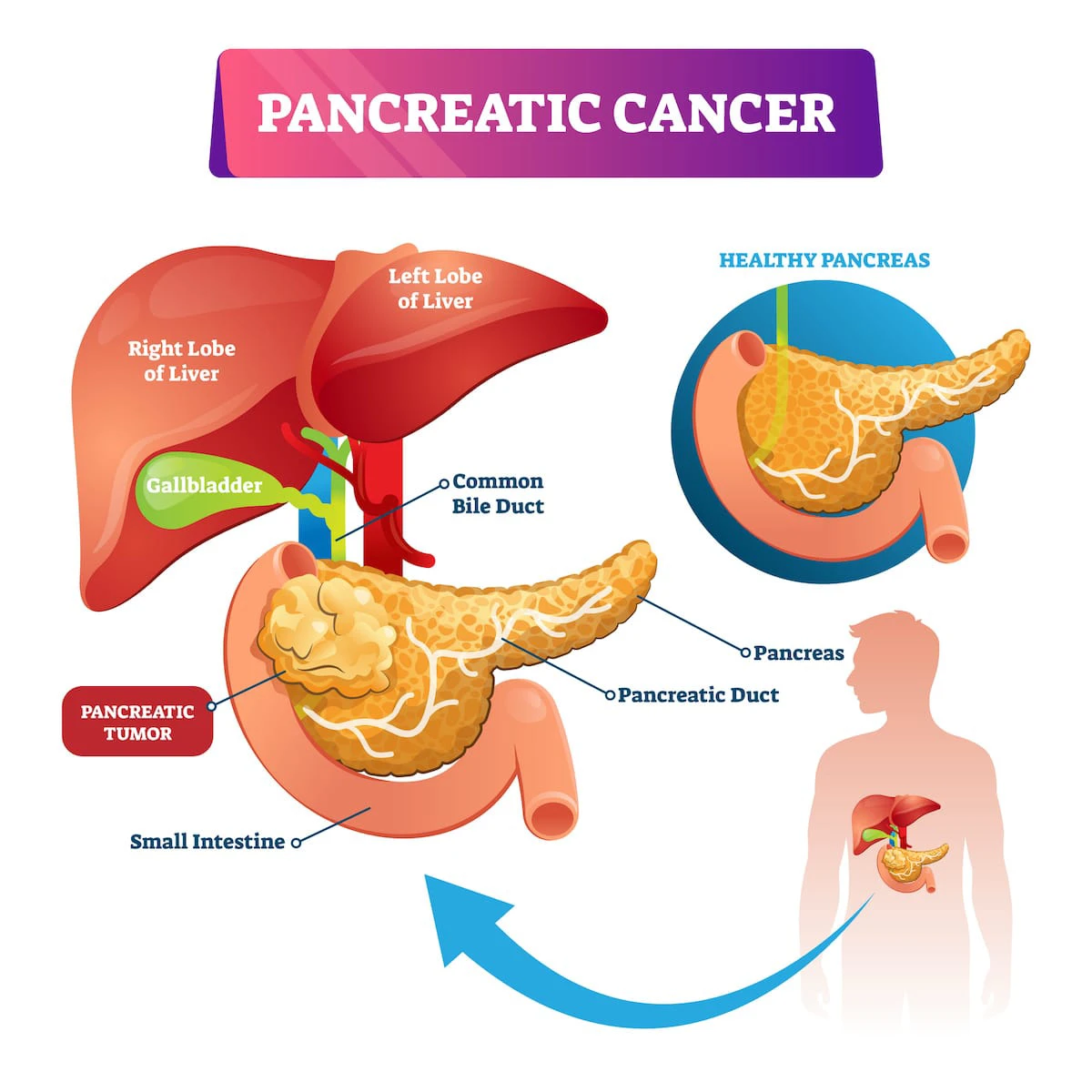
Doctors may use:
reatment depends on the stage of the cancer and overall health of the patient:
In advanced or unresectable cases, treatment focuses on improving quality of life and controlling symptoms.
If detected in the early stage and completely removed surgically, pancreatic cancer can be cured. However, many cases are detected late, making treatment more challenging. Early diagnosis is critical.
After surgical removal (such as Whipple procedure), hospital stay is usually 7–10 days, depending on recovery and presence of complications.
Yes. The pancreas is essential for digestion. Cancer or surgery may reduce enzyme production, causing indigestion, oily stools and weight loss. Pancreatic enzyme supplements and dietary modifications help in managing this.
Consult a Surgical Gastroenterologist immediately if you have:
Yes. Avoiding smoking and alcohol, maintaining a healthy diet, regular exercise and controlling diabetes can reduce risk.
Early evaluation by a Surgical Gastroenterologist and timely treatment significantly improve the outcome of Pancreatic Cancer.