Loose Motions

What are loose motions?

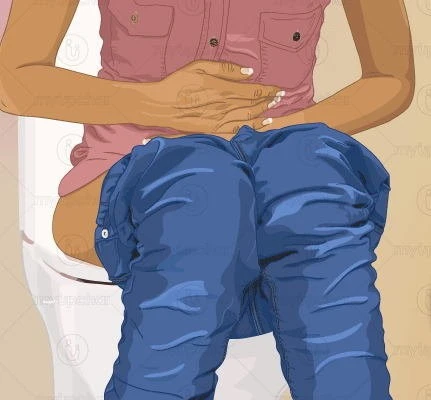
Loose motions, also known as diarrhoea, refer to passing frequent watery or loose stools. It may last for a short time (acute) or continue for weeks (chronic), depending on the underlying cause.

How do I feel if I have loose motions?

You may experience:

  • Frequent loose or watery stools
  • Abdominal cramps or discomfort
  • Urgency to pass stools
  • Weakness and tiredness
  • Dehydration (dry mouth, dizziness, low urine output)
  • Oily or greasy stools if due to poor fat absorption (Steatorrhoea)
loose_motions

What causes loose motions?

The common and major causes include:

Infections (Food Poisoning)

  • Bacterial, viral, or parasitic infections
  • Often due to contaminated food or water

Malabsorptive Disorders

  • Inability of the small intestine to absorb nutrients properly
  • Leads to chronic diarrhoea

Crohn’s Disease

  • A type of inflammatory bowel disease (IBD)
  • Causes long-term loose motions with abdominal pain

Chronic Pancreatitis

  • Poor digestion of fats leads to oily, smelly stools (Steatorrhoea)

Neuroendocrine Tumors of Small Bowel

  • Rare, but may present as persistent secretory diarrhoea

What is the treatment for loose motions?

Treatment depends on the cause:

  • Rehydration: ORS (Oral Rehydration Solution), fluids, electrolytes
  • Antibiotics/antiparasitic medications – if due to infection
  • Preprobiotics – to restore gut balance
  • Diet modification – soft, light meals, avoid dairy and spicy foods
  • Treatment of underlying conditions such as IBD, pancreatitis, or malabsorption
  • Hospitalisation & IV fluids in severe dehydration

When should I see a doctor?

Seek medical attention if:

  • Loose motions persist more than 2–3 days
  • High fever, blood in stools, or severe abdominal pain
  • Signs of dehydration
  • Oily stools, weight loss, or ongoing diarrhoea
  • You have diabetes, heart or kidney issues

Frequently Asked Questions (FAQs)

What is the main cause of loose motions?

Most commonly due to infections from contaminated food or water.

What does oily or greasy stool indicate?

It may suggest chronic pancreatitis or fat malabsorption.

Is persistent diarrhoea serious?

Yes, it may indicate conditions like Crohn’s disease or tumors in the bowel.

How can I stop loose motions quickly?

Stay hydrated, take ORS, eat light food, and consult your doctor for medications.