
Liver
Problems
What are Liver Problems?
Liver problems refer to a broad range of conditions that affect the liver’s structure and function. The liver is a vital organ responsible for detoxification, metabolism, digestion, and maintaining overall health. When the liver becomes damaged due to lifestyle, infections, toxins, or diseases, it can lead to mild, moderate, or life-threatening complications.
What are the common symptoms of Liver Problems?
Symptoms depend on the type and severity of the liver condition, but common signs include:
- Fatigue and weakness
- Loss of appetite
- Nausea or vomiting
- Abdominal pain or discomfort (especially on the right side)
- Jaundice (yellowing of skin and eyes)
- Dark urine and pale stools
- Swelling in legs, feet, or abdomen
- Itching
- Unexplained weight loss
- Easy bruising or bleeding
Early diagnosis is crucial because symptoms may appear only in advanced stages.
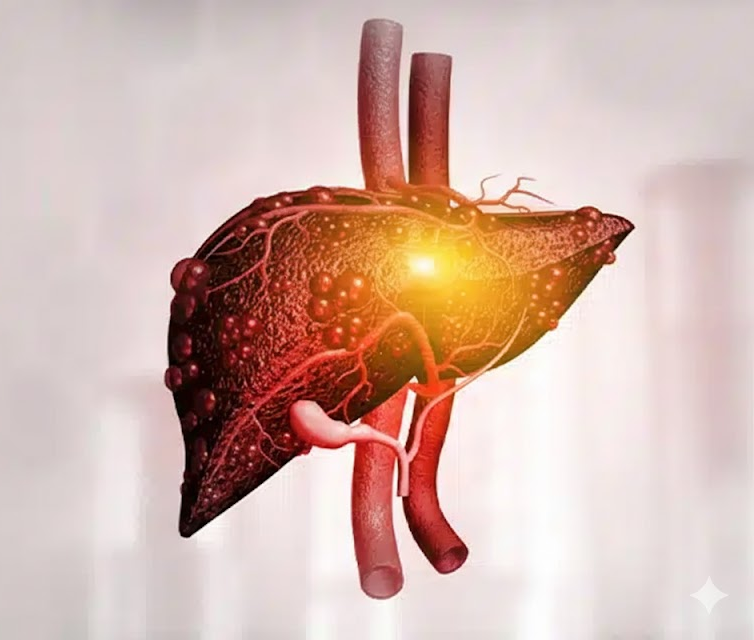
What causes Liver Problems?
Liver issues can occur due to several reasons. Major causes include:
Alcoholic Liver Disease
Long-term or excessive alcohol consumption leads to liver inflammation, fatty changes, cirrhosis, and liver failure.
Fatty Liver Disease (NAFLD & AFLD)
Fat accumulation in liver cells due to obesity, diabetes, high cholesterol, or alcohol misuse.
Viral Hepatitis (A, B, C, E)
Viruses like hepatitis A, B, C, and E cause liver inflammation, scarring, and chronic disease. Hepatitis B and C can lead to cirrhosis and liver cancer.
Drug-Induced Liver Injury
Long-term or improper use of medicines — including painkillers, antibiotics, or herbal supplements — can damage liver cells.
Liver Cancers
Types include:
- Hepatocellular carcinoma (HCC) – most common primary liver cancer
- Cholangiocarcinoma – cancer of bile ducts
- Hemangioma – non-cancerous liver tumour
- The liver can also develop secondary (metastatic) tumours from cancers in other organs
Other Causes
- Autoimmune hepatitis
- Genetic disorders (Wilson’s disease, hemochromatosis)
- Metabolic disorders
- Chronic liver inflammation
How are Liver problems diagnosed?
Doctors use various tests and imaging methods to detect and evaluate liver conditions:
- Blood tests (Liver Function Tests – LFTs)
- Ultrasound of the abdomen
- CT scan or MRI
- FibroScan to check liver stiffness
- Viral markers for hepatitis
- Liver biopsy (in select cases)
Early diagnosis helps prevent irreversible liver damage.
What is the treatment for Liver Problems?
Treatment depends on the specific condition and its severity. Common approaches include:
Lifestyle & Dietary Changes
- Avoid alcohol
- Lose excess weight
- Low-fat, healthy diet
- Control diabetes and cholesterol
- Adequate hydration
Medications
- Antiviral drugs for hepatitis B & C
- Medicines to reduce liver inflammation
- Supplements to manage deficiencies
- Treatment for underlying conditions
Stopping Harmful Drugs
If liver damage is drug-induced, the suspected medication must be discontinued under medical supervision.
Treatment for Liver Cancer
- Surgery
- Radiofrequency ablation
- Chemotherapy
- Targeted therapy
- Liver transplantation (in advanced cases)
Liver Transplant
Recommended for end-stage liver disease, liver failure, or certain cancers.
Can Liver Problems be prevented?
Yes, many liver diseases can be prevented with simple measures:
- Avoid excessive alcohol
- Maintain a healthy body weight
- Get vaccinated for hepatitis A & B
- Eat a balanced, low-fat diet
- Avoid self-medication and overuse of painkillers
- Practice safe food and water habits
- Regular health check-ups
At The Best Gastro Care Centre, we specialize in evaluating liver problems with complete diagnostic tests and expert gastroenterology care.