
Indigestion
What is Indigestion?
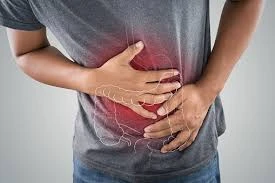
Indigestion, also known as dyspepsia, is a common digestive problem that causes discomfort or pain in the upper abdomen. It usually happens after eating and may feel like your stomach is unable to digest food properly. Indigestion is not a disease by itself but a group of symptoms caused by underlying digestive issues such as acidity, gastritis, ulcers, or lifestyle factors.
What are the symptoms of Indigestion?
People with indigestion may experience:
- Fullness or heaviness after meals
- Upper abdominal pain or burning
- Bloating or gassiness
- Nausea or burping
- Early satiety (feeling full quickly)
- Sour taste or mild reflux
- Loss of appetite
Symptoms may worsen after overeating, heavy meals, or lying down soon after eating.
What causes Indigestion?
Indigestion can occur due to multiple reasons, including:
Lifestyle & Dietary Causes
- Eating too fast or overeating
- Spicy, oily, fried, or processed foods
- Excess tea, coffee, carbonated drinks, or alcohol
- Stress, anxiety, or lack of sleep
- Smoking
Medical Causes
- Acidity or reflux disease (GERD)
- Gastritis
- Stomach ulcers
- Gallbladder problems
- Pancreatitis
- Food intolerances
- Medication side effects (painkillers, antibiotics, etc.)
- Infections like H. pylori
What is the treatment for Indigestion?
Treatment depends on the underlying cause and severity of symptoms:
1. Lifestyle & Dietary Changes
- Eat small, frequent meals
- Avoid heavy, spicy, oily foods
- Limit coffee, tea, alcohol, and aerated drinks
- Avoid lying down immediately after meals
- Manage stress with sleep, exercise, or relaxation techniques
2. Medications
- Antacids for quick relief
- Proton pump inhibitors (PPIs) to reduce acid
- H2 blockers
- Prokinetics to improve stomach movement
- Antibiotics if H. pylori infection is present
3. Advanced Evaluation
If symptoms persist:
- Upper GI endoscopy may be needed to check for ulcers, gastritis, or reflux disease.