
Hemorrhoids, also known as piles, are swollen and enlarged veins that form inside or outside the anal canal. They often occur due to straining during bowel movements, chronic constipation, or increased pressure in the rectal area.
Hemorrhoids are very common, especially among pregnant women and people over 50 years of age. However, due to modern sedentary lifestyles and poor dietary habits, cases are increasingly being seen among younger adults as well.
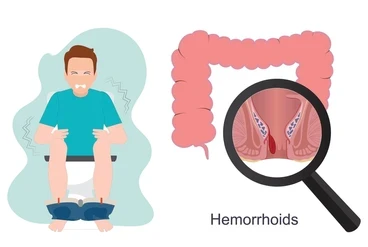
Common causes include:
Diagnosis involves:
Mild hemorrhoids can be completely cured with medication and lifestyle changes:
Both are outpatient procedures requiring no hospitalization.
No. With modern anesthesia and advanced pain management, hemorrhoidectomy is virtually pain-free and minimally invasive.
Patients can walk and move around within hours after surgery.
Recurrence happens in about 5% of patients, mainly due to unhealthy food habits, chronic constipation, or a sedentary lifestyle. Following a fiber-rich diet and regular exercise greatly reduces recurrence risk.
One or two days of hospitalisation including the day of surgery is needed after syrgery..
In the immediate post operative period excellent pain relief can be given by the medical team and monitoring the patient after anaesthesia is recommended. The next morning , the wound can be inspected and dressing done and the patient can confidently go home.
Depends on the type of job and travel requirements. From Day 3-4, working from home for a person with a desk job is feasible (for a few hours per day). Within a week , return to normalcy happens
Home remedies for small hemorrhoids are
If symptoms persist or bleeding increases, consult a colorectal specialist.
Both result from constipation, but the causes differ:
Mild hemorrhoids often shrink on their own if you improve your diet and lifestyle. However, advanced or bleeding hemorrhoids may require medical or surgical treatment.
Hemorrhoids are not life-threatening, but if left untreated, they can cause anemia, pain, and discomfort. Persistent bleeding may also signal more serious conditions like rectal cancer, so it’s important to get evaluated early.
You might have hemorrhoids if you notice bleeding (bright red blood on toilet paper or in the stool), itching or irritation, pain or discomfort around the anus, swelling or a sensitive lump, or a feeling of pressure or incomplete bowel emptying. Visit the doctor immediately.
Avoid:
These foods can cause constipation and irritation, worsening hemorrhoid symptoms.
No. small ones need no surgery and only medical treatment
No. skin tags are a result of old healed fissures. Haemorrhoids are blood vessels covered with skin.
Our expert team provides world-class treatment for Hemorrhoids( Piles) and other gastrointestinal diseases using advanced techniques and compassionate care.
📞 Book your appointment today to consult our specialist gastro for timely diagnosis and treatment.