
A gall bladder tumour is an abnormal growth that develops in the tissues of the gall bladder — a small organ located beneath the liver that stores bile.
These tumours can be benign (non-cancerous) or malignant (cancerous). The most serious type is Gall Bladder Cancer (GBC), which can spread quickly to nearby organs like the liver, bile ducts, and intestines if not detected early.
Gall bladder tumours often do not cause symptoms in the early stages. As the tumour grows, patients may experience:
Because these symptoms can resemble gallstones or bile duct obstruction, early medical evaluation is crucial.
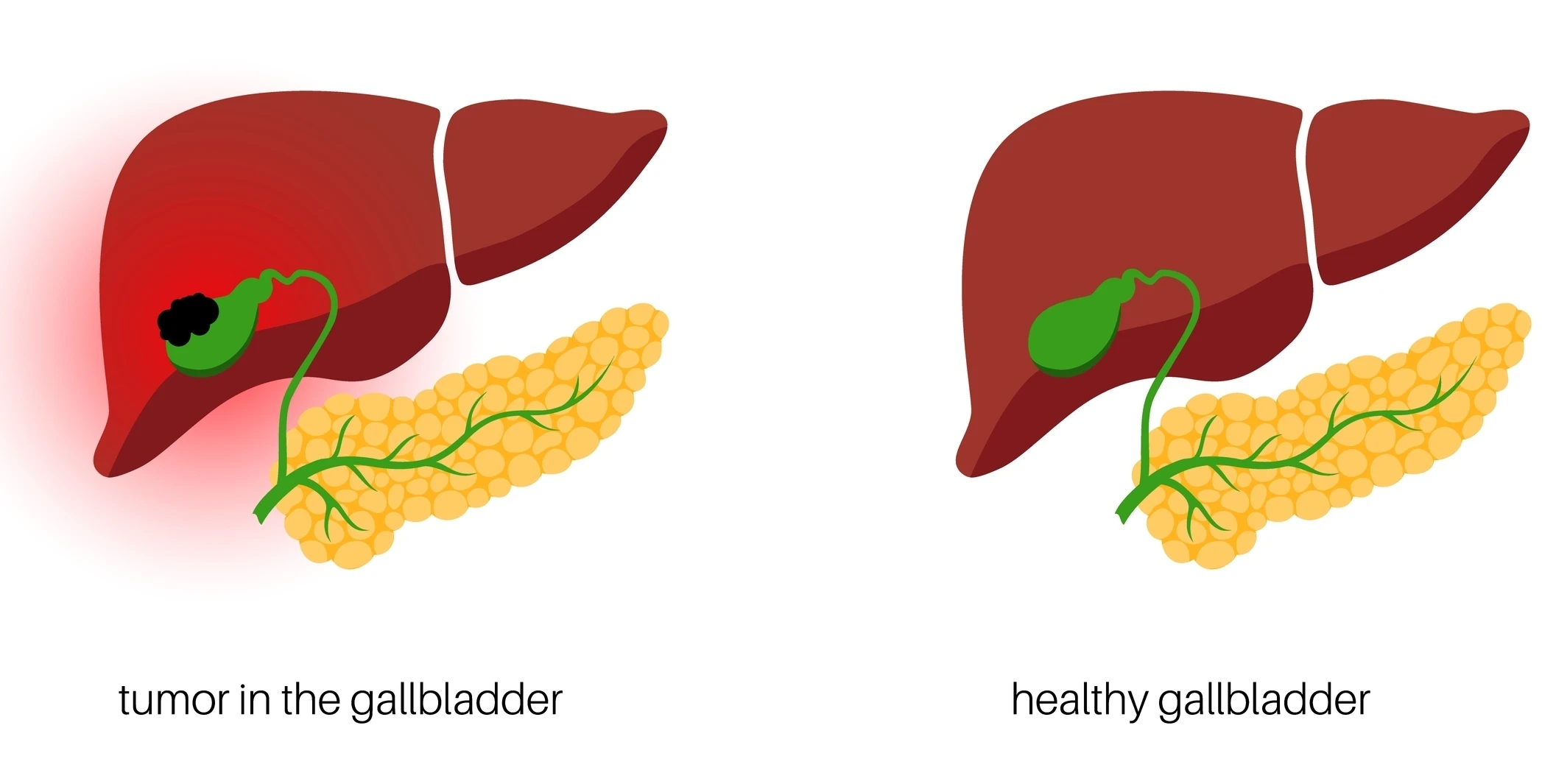
While the exact cause of gall bladder tumours isn’t fully understood, several factors increase the risk:
• Gallstones – chronic irritation from stones is the most common cause
• Chronic gall bladder inflammation (cholecystitis)
• Gall bladder polyps
• Obesity and high-fat diet
• Female gender and older age (more common in women over 50)
• Family history of gall bladder cancer
• Porcelain gall bladder
Accurate diagnosis of gall bladder tumour involves multiple steps:
Early detection is vital for effective treatment and better outcomes.
Treatment depends on the type, size, and stage of the tumour and the patient’s overall health.
At The Best Gastro Care Centre, our team of expert gastro and hepatobiliary surgeons use advanced imaging and minimally invasive surgical techniques to ensure precise diagnosis and effective treatment with faster recovery.
No. Some gall bladder tumours are benign, such as polyps or adenomas, which may not require major treatment. However, they need regular monitoring as some can become cancerous over time.
Gallstones are solid deposits in the gall bladder, while tumours are tissue growths. However, gallstones can cause chronic irritation that increases the risk of tumour development.
Yes, if detected early, gall bladder cancer can be completely cured by surgery. Unfortunately, many cases are diagnosed late, which is why early evaluation and regular check-ups are essential.
People with long-standing gallstones, chronic gall bladder inflammation, or a family history of gall bladder disease are at higher risk. Women over 50 are also more commonly affected.
Most patients recover in 5–7 days after laparoscopic surgery and 2–3 weeks after open surgery. Full recovery depends on the tumour type and overall health.
In early-stage cases where the tumour is completely removed, recurrence is rare. However, in advanced cases, regular follow-up scans and blood tests are recommended to monitor for recurrence.
At The Best Gastro Care, we provide:
✅ Accurate diagnosis by experianced doctor
✅ Expert surgical care by experienced gastro and hepatobiliary surgeon
✅ Personalized treatment plans for each patient
✅ Comprehensive follow-up and recovery support
We are committed to offering safe, effective, and compassionate care for all liver, gall bladder, and pancreatic conditions.
We are committed to offering safe, effective, and compassionate care for all liver, gall bladder, and pancreatic conditions.
📞 Book your appointment now and take the first step toward better health.