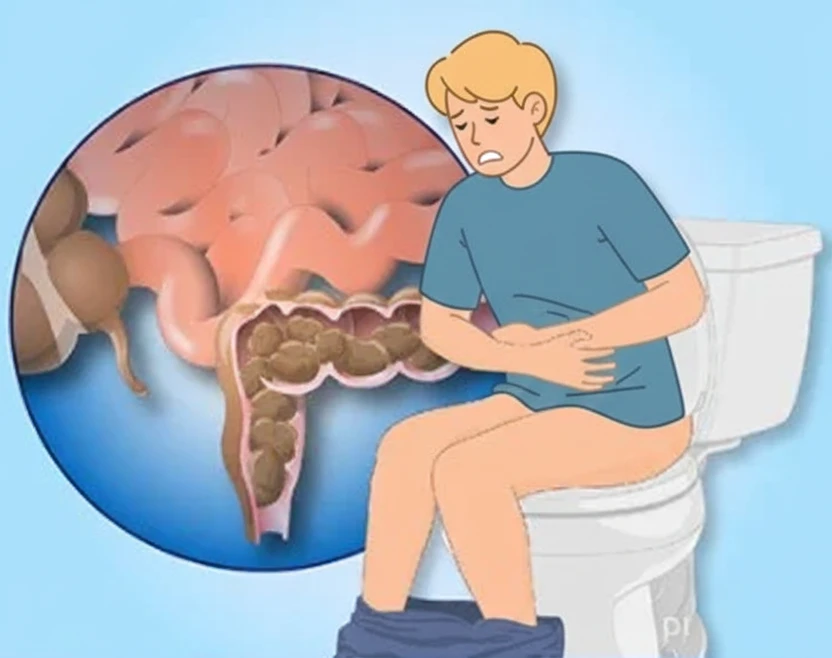
Constipation

What is constipation?

Constipation refers to difficulty in passing stools, passing hard or dry stools, or having bowel movements less frequently (once in 3–4 days or more). It can also present as a feeling of incomplete evacuation even after passing stools.

How do I feel if I have constipation?

You may experience:

  • Hard, dry stools
  • Straining while passing motion
  • Passing stools once in 3–4 days or less frequently
  • Feeling that the bowel has not completely emptied
  • Bloating or abdominal discomfort

What causes constipation?

Most commonly due to:

  • Sedentary lifestyle (lack of physical activity)
  • Unhealthy eating habits, low fiber intake
  • Dehydration (not drinking enough water)
  • Ignoring the urge to pass stools
  • Some medications (painkillers, iron supplements)

Rare but serious causes:

  • Rectal or colonic cancers
  • Narrowing or obstruction in the large intestine
  • Neurological or hormonal disorders

Progressive worsening of constipation may indicate obstruction due to tumors and needs immediate medical evaluation.

What is the treatment for constipation?

Treatment depends on severity and cause:

  • Increase fiber intake – whole grains, vegetables, fruits
  • Drink plenty of water
  • Regular physical activity
  • Avoid delaying toilet urges
  • Mild laxatives (only under medical advice)
  • Treat underlying disease, such as tumors or hormonal issues

When should I see a doctor?

You should seek medical attention if:

  • Constipation worsens progressively
  • There is blood in stools
  • You experience sudden severe constipation
  • You have unexplained weight loss or abdominal pain
  • You are above 50 years with new-onset constipation

Frequently Asked Questions (FAQs)

What are the main signs of constipation?

Hard stools, straining, and infrequent bowel movements.

Can constipation be due to cancer?

Yes, rectal or colon cancers may cause progressive difficulty in passing stools.

How can I relieve constipation naturally?

Drink water, eat high-fiber foods, and stay physically active.

When is constipation serious?

If symptoms worsen or are associated with blood, weight loss, or pain, seek immediate evaluation.