
Colonic cancer, also known as colon cancer or large bowel cancer, develops when abnormal cells in the lining of the colon (large intestine) begin to grow uncontrollably, forming a tumor.
Over time, these cancer cells can invade nearby tissues or spread to other parts of the body (metastasis).
It often begins as small, noncancerous clumps of cells called polyps, which can become cancerous if not detected and removed early.
Regular screening colonoscopy helps in early detection and complete cure.
In the early stages, colonic cancer may cause no symptoms, which is why screening is so important. As the disease progresses, the following symptoms may occur:
If you notice persistent bowel changes or blood in stool, consult a gastro specialist immediately.
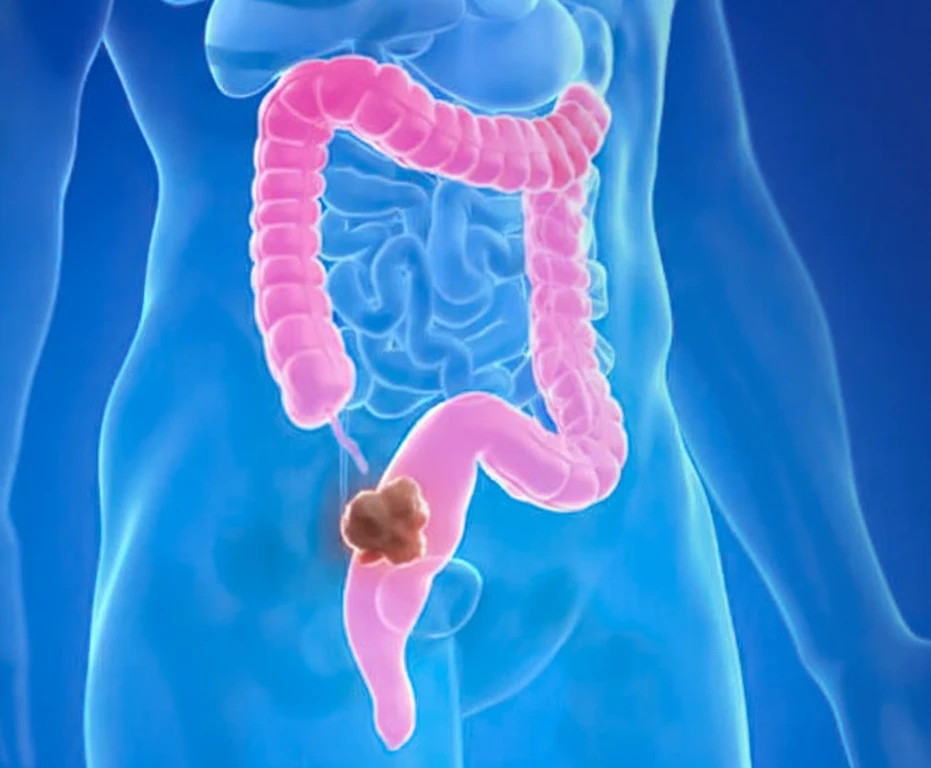
Colonic cancer results from a combination of genetic mutations and lifestyle factors.
Common causes and risk factors include:
At The Best Gastro Care Centre, diagnosis of colonic cancer involves a thorough evaluation using advanced imaging and endoscopic techniques:
Early diagnosis allows for curative surgery and better long-term outcomes.
Treatment depends on the stage and location of the tumor, as well as the patient’s overall health.
In advanced cases, a temporary or permanent stoma (colostomy) may be required.
Yes. When detected early, colonic cancer is highly curable with surgery. Regular screening plays a vital role in early detection.
Both belong to the group of colorectal cancers, but colon cancer occurs in the upper part (colon), while rectal cancer affects the lower end (rectum). Treatment approaches may vary slightly.
It’s recommended to start screening at age 45 for average-risk individuals and earlier if there’s a family history of colon cancer or polyps.
Yes. You can reduce your risk by:
Recovery usually takes 2–4 weeks after laparoscopic surgery, depending on overall health and cancer stage.
At The Best Gastro Care, we offer:
✅ Early detection through advanced colonoscopy screening
✅ Expert laparoscopic and onco-surgical team
✅ Comprehensive care – from diagnosis to chemotherapy
✅ Personalized treatment plans for better recovery and long-term survival
Our goal is to provide complete, compassionate, and cutting-edge care for every patient.
If you experience unexplained bowel changes, blood in stool, or persistent abdominal pain, don’t delay.
📞 Contact The Best Gastro Care Centre today for early diagnosis and expert treatment of Colonic Cancer.