Chronic
Pancreatitis

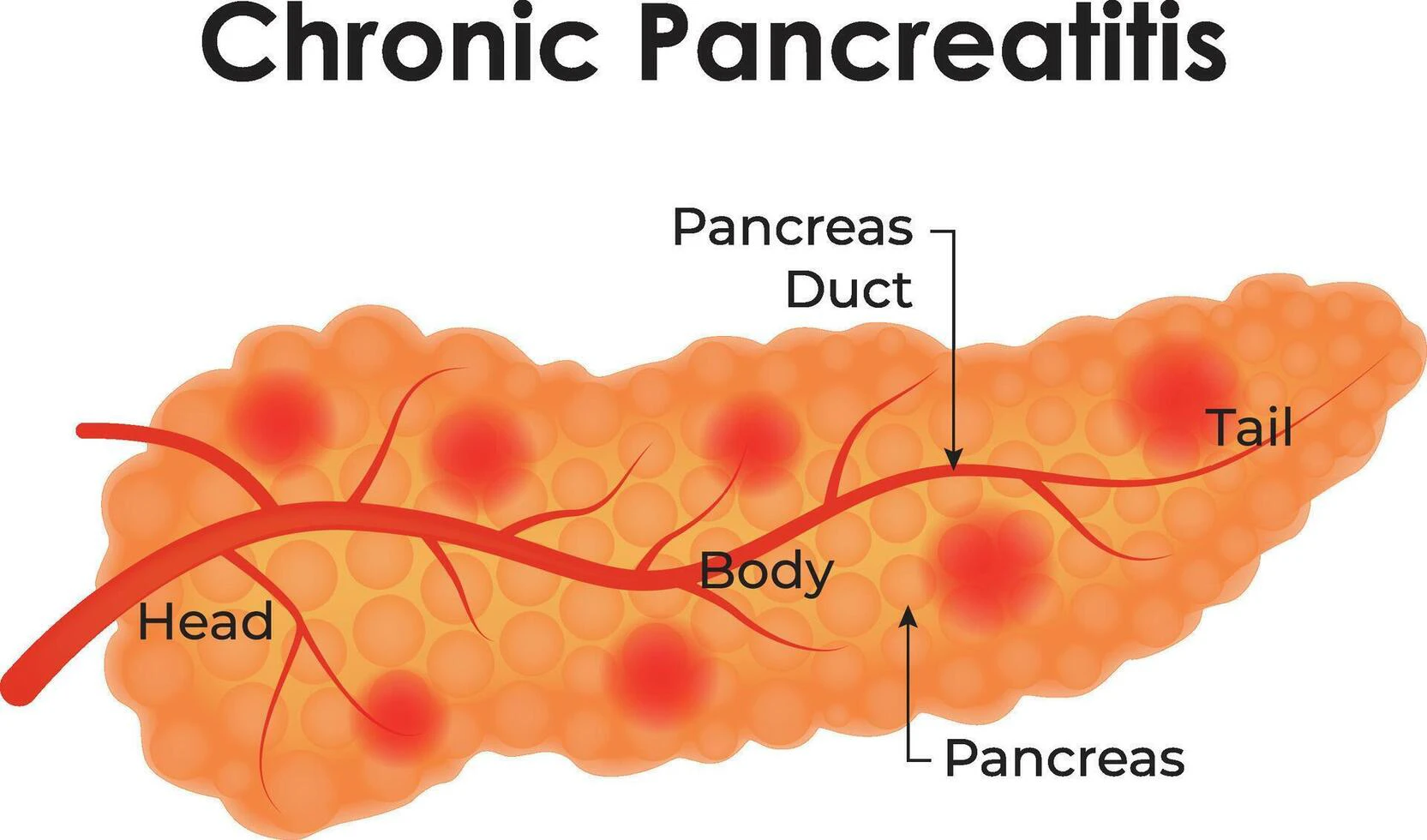
What is Chronic Pancreatitis?

Chronic pancreatitis is a long-standing inflammation of the pancreas that leads to permanent structural damage. Unlike acute pancreatitis, which occurs suddenly, chronic pancreatitis develops gradually over time. As it progresses, the pancreas loses its ability to support digestion and regulate blood sugar levels.

What are the symptoms of Chronic Pancreatitis?

Common symptoms include:

  • Persistent abdominal pain (usually in the upper abdomen, radiating to the back)
  • Pain worsening after eating or consuming alcohol
  • Unexplained weight loss
  • Oily, greasy or foul-smelling stools (Steatorrhoea)
  • Nausea and vomiting
  • Indigestion and abdominal bloating
  • Diabetes in advanced stages

What causes Chronic Pancreatitis?

Major causes include:

  • Long-term alcohol consumption (most common cause in adults)
  • Repeated episodes of acute pancreatitis
  • High triglyceride levels
  • Autoimmune conditions
  • Genetic factors
  • Blockage of the pancreatic duct
    In some cases, the exact cause may not be identified (Idiopathic Chronic Pancreatitis).

Pancreatic stones(calculi) in chronic pancreatitis

Pancreatic stones, also known as pancreatic calculi, are hard deposits formed inside the pancreatic duct. They block the flow of pancreatic digestive juices, leading to pain, inflammation and long-term damage to the pancreas. These stones are commonly seen in people with Chronic Pancreatitis, especially in regions where tropical pancreatitis is prevalent.

Does pancreatitis affect digestion long-term?

In severe or recurrent cases, the pancreas may fail to produce enough digestive enzymes, leading to:

  • Weight loss
  • Oily stools (steatorrhoea)
  • Nutrient deficiencies
  • Diabetes (if insulin-producing cells are affected)

Enzyme supplements or long-term management may be required.
How is Chronic Pancreatitis diagnosed?

Diagnosis may involve:

  • Medical history and clinical examination
  • Blood tests to assess enzyme levels
  • Ultrasound, CT scan or MRI
  • MRCP / Endoscopic Ultrasound to assess pancreatic ducts
  • Stool tests to check for enzyme deficiency
  • Blood glucose testing to detect diabetes

What are the complications if pancreatic stones are left untreated?

Small , asymptomatic stones need no treatment.

If pancreatic stones are not treated, complications may include:

  • Recurrent pancreatitis attacks
  • Chronic pain
  • Malabsorption and weight loss
  • Diabetes
  • Pancreatic duct obstruction
  • Risk of pancreatic insufficiency and failure

What is the treatment for Chronic Pancreatitis?

Treatment aims to control symptoms, slow disease progression and improve digestion:

  • Complete avoidance of alcohol and smoking
  • Pancreatic enzyme supplements
  • Pain management with medication
  • Diet modifications under medical guidance
  • Insulin or anti-diabetic medication if diabetes develops
  • Endoscopic or surgical procedures in case of duct obstruction, stones or strictures
    Advanced or complicated cases may require surgery.

What is the treatment for Pancreatic Stones?

Treatment depends on size, location and symptoms:

  • Endoscopic removal via ERCP – most commonly used
  • Lithotripsy (ESWL) – to break stones into smaller fragments
  • Surgical removal (Pancreatic duct drainage surgery) in severe or complex cases
  • Pain management and enzyme supplements
  • Dietary modifications and alcohol cessation

Is surgery always needed?

Not always. Many stones can be treated by endoscopic methods without major surgery. Surgery is considered only when stones are too large, inaccessible, or when complications like ductal obstruction or chronic pain persist.

How long is the hospital stay for pancreatic stones treatment?

  • Endoscopic stone removal (ERCP): 1–2 days
  • Surgical treatment: 5–7 days depending on recovery

What is the role of surgery in pancreatic stones?

 Many stones can be treated by endoscopic methods without major surgery. Surgery is considered only when stones are too large, inaccessible, or when complications like ductal obstruction , jaundice or chronic pain persist.

Can lifestyle changes help prevent pancreatic stones?

Yes. Key lifestyle changes include:

  • Complete avoidance of alcohol and smoking
  • Low-fat, healthy diet
  • Regular physical activity
  • Good hydration
  • Early treatment of chronic pancreatitis

Is Chronic Pancreatitis curable?

Chronic pancreatitis is not completely curable, but early diagnosis and treatment can help control symptoms, improve digestive function and prevent complications.

What are the possible complications?

Untreated or advanced chronic pancreatitis may lead to:

  • Diabetes (Type 3c or Pancreatic Diabetes)
  • Severe malnutrition and weight loss
  • Persistent abdominal pain
  • Pancreatic pseudocyst formation
  • Ductal narrowing or obstruction
  • Increased risk of pancreatic cancer

How long is the hospital stay for treatment?

Most cases are managed on an outpatient basis. Hospital admission may be required for pain control or if complications develop, or when surgical/endoscopic procedures are needed.

Does removal or damage of the pancreas affect digestion?

Yes. The pancreas plays a key role in digestion. Reduced enzyme production leads to poor digestion, oily stools and weight loss. Pancreatic enzyme supplements and dietary advice help manage this effectively.

What is the role of surgery in chronic pancreatitis ?

In cases of intractable pain and presence of stones, a dilated pancreatic duct, a head coring and drainage of pancreatic ducts ( pancreatico jejunostomy)are done.

Is pancreatico jejunostomy a major surgery?

Yes, its a major surgery needing atleast 5-7 day hospital stay.

How is the pain relief for chronic pancreatitis ?

85-95% patients have a good pain relief after surgery if they abstain from smoking, alcohol and follow a healthy life style.

When should I consult a Gastroenterologist?

Seek medical help immediately if you have:

  • Recurrent or persistent upper abdominal pain
  • Unintended weight loss
  • Oily or greasy stools
  • Difficulty in digesting food
  • History of alcohol consumption or repeated pancreatitis episodes
At The Best Gastro Care Centre

Your Health, Our Priority

Early evaluation by a Surgical Gastroenterologist is crucial in preventing long-term complications and preserving digestive health.