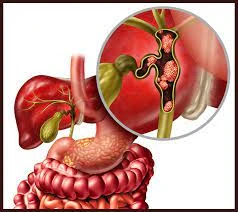
Bile Duct
Tumour

What is a Bile Duct Tumour?

A bile duct tumour, also known as Cholangiocarcinoma, is a rare but serious cancer that develops in the ducts that carry bile from the liver to the gallbladder and small intestine. These tumours block the bile flow, leading to jaundice and other symptoms. Early detection and specialised treatment are crucial to improve outcomes.

What are the symptoms of a Bile Duct Tumour?

Common symptoms of Bile duct tumor include:

  • Yellowing of eyes and skin (Jaundice)
  • Dark yellow urine and pale stools
  • Itching all over the body
  • Upper abdominal pain
  • Loss of appetite
  • Unexplained weight loss
  • Fatigue and weakness
  • Fever (occasionally)
  • Nausea and vomiting

What causes Bile Duct Tumours?

Causes and risk factors may include:

  • Long-standing bile duct inflammation (Primary Sclerosing Cholangitis)
  • Chronic liver diseases
  • Bile duct stones
  • Parasitic infections (rare in India)
  • Family history of biliary cancer
  • Obesity and smoking
  • Diabetes
  • Some cases are idiopathic (no known cause)

How is a Bile Duct Tumour diagnosed?

bile-duct-tumour

Diagnosis may involve:

  • Ultrasound abdomen to detect bile duct dilatation
  • CT scan or MRI to identify tumour location
  • MRCP (Magnetic Resonance Cholangiopancreatography) to assess bile duct blockage
  • ERCP (Endoscopic Retrograde Cholangiopancreatography) for stenting or biopsy
  • EUS (Endoscopic Ultrasound)
  • Liver function tests & tumour markers (CA 19-9)
  • Biopsy to confirm cancer

What is the treatment for Bile Duct Tumour?

Treatment depends on tumour location, stage and general health:

  • Surgical removal (main treatment) if tumour is operable
  • Whipple procedure (Pancreaticoduodenectomy) for lower bile duct tumours
  • Liver resection for perihilar tumours
  • Biliary drainage or stenting to relieve jaundice
  • Chemotherapy and radiotherapy in selected cases
  • Palliative care for advanced stages to improve quality of life

Is surgery always possible?

Not always. Surgery is considered only if the tumour is detected early and has not spread. In advanced cases, doctors may perform biliary stenting to manage jaundice and give chemotherapy to control disease progression.

What happens if a Bile Duct Tumour is not treated?

If untreated, the tumour can:

  • Cause severe jaundice and liver failure
  • Spread to nearby organs
  • Lead to intense itching, weight loss and weakness
  • Become life-threatening

How long is the hospital stay for surgery?

  • Bile duct tumour surgery: 5-7 days or more
  • If stenting only: 1–2 days

Can Bile Duct Tumour be prevented?

Though not entirely preventable, risk can be reduced by:

  • Avoiding alcohol and smoking
  • Maintaining healthy weight and diet
  • Treating liver and bile duct problems early
  • Regular follow-up for high-risk individuals

When should I see a doctor?

Consult a Surgical Gastroenterologist immediately if you notice:

  • Yellow eyes or yellow urine
  • Unexplained weight loss
  • Persistent itching or abdominal pain
  • Dark urine and pale stools
At The Best Gastro Care Centre

Your Health, Our Priority

Early diagnosis and treatment by an experienced Surgical Gastroenterologist improve chances of recovery and survival. Do not ignore jaundice or unexplained weight loss.