Pancreatic
Cancer

What is Pancreatic Cancer?

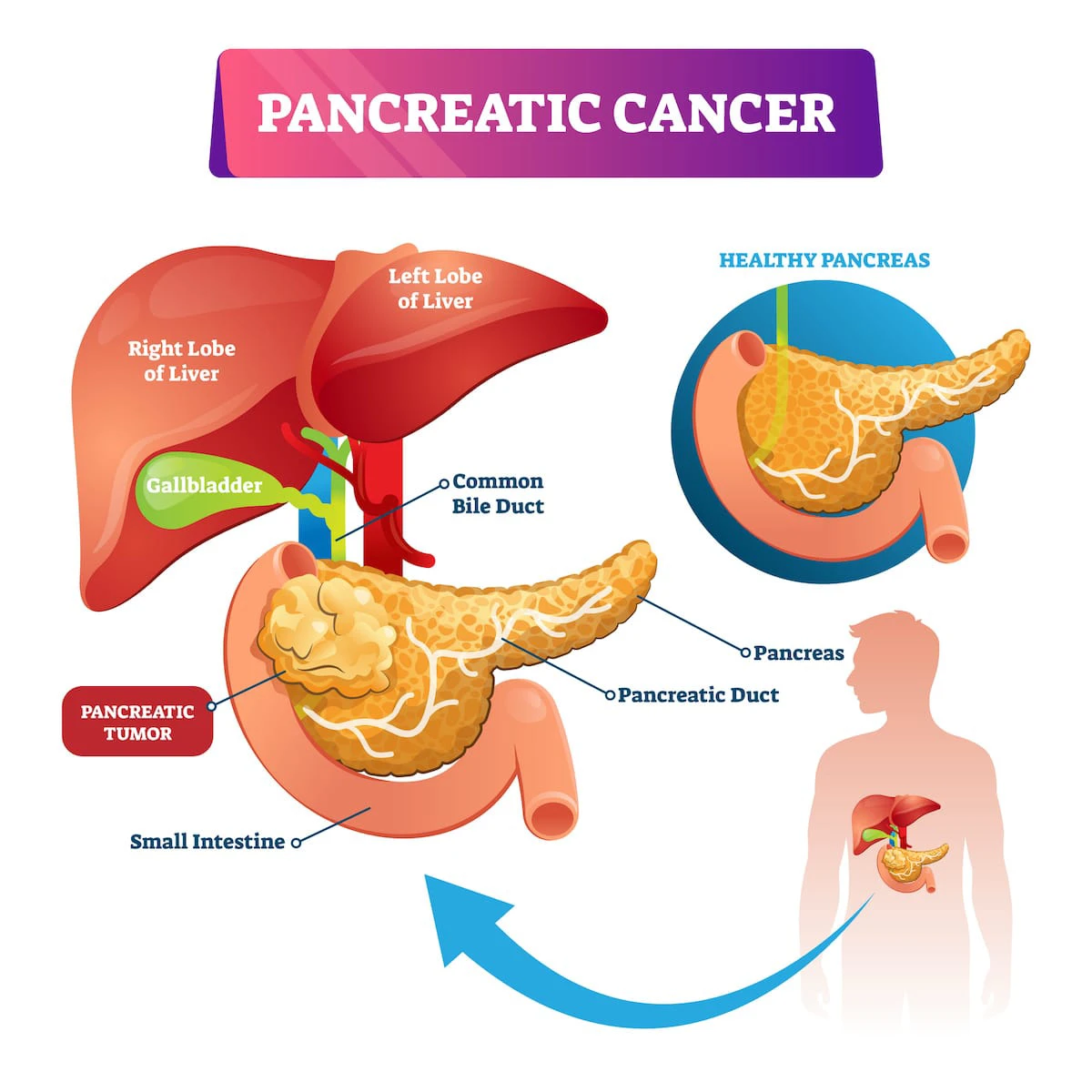
Pancreatic cancer occurs when abnormal cells grow uncontrollably in the pancreas. The pancreas is an organ located behind the stomach, responsible for digestion and blood sugar regulation. Pancreatic cancer often grows silently without symptoms in the early stages, making early detection difficult.

What are the symptoms of Pancreatic Cancer?

Common symptoms include:

  • Persistent upper abdominal pain that may radiate to the back
  • Unexplained weight loss
  • Loss of appetite
  • Yellowing of eyes and skin (Jaundice)
  • Dark yellow urine, pale stools
  • Nausea, vomiting, bloating
  • New onset diabetes or worsening diabetes
  • Fatigue and weakness

What causes Pancreatic Cancer?

Risk factors include:

  • Long-term smoking and alcohol consumption
  • Chronic pancreatitis
  • Family history of pancreatic or gastrointestinal cancers
  • Obesity and lack of physical activity
  • High-fat diet
  • Diabetes
  • Genetic or inherited disorders
    In many cases, the exact cause may not be identified.

How is Pancreatic Cancer diagnosed?

pancreatic-cancer

Doctors may use:

  • Detailed medical history and physical examination
  • Blood tests (including tumour markers like CA 19-9)
  • Ultrasound or CT scan abdomen
  • MRI or MRCP
  • Endoscopic Ultrasound (EUS)
  • PET scan for staging
  • Biopsy to confirm diagnosis.

What are the complications of Pancreatic Cancer?

  • Severe weight loss and malnutrition
  • Obstruction of bile duct causing jaundice
  • Digestive problems due to lack of enzymes
  • Diabetes
  • Spread to nearby organs or distant sites (metastasis)

What is the treatment for Pancreatic Cancer?

reatment depends on the stage of the cancer and overall health of the patient:

  • Surgical Removal (Whipple Procedure / Pancreatic Resection) – best option if detected early
  • Chemotherapy
  • Radiation therapy
  • Targeted or Immunotherapy (in select cases)
  • Palliative care to manage symptoms in advanced stages

In advanced or unresectable cases, treatment focuses on improving quality of life and controlling symptoms.

Is Pancreatic Cancer curable?

If detected in the early stage and completely removed surgically, pancreatic cancer can be cured. However, many cases are detected late, making treatment more challenging. Early diagnosis is critical.

How long is the hospital stay for surgery?

After surgical removal (such as Whipple procedure), hospital stay is usually 7–10 days, depending on recovery and presence of complications.

Does pancreatic cancer affect digestion?

Yes. The pancreas is essential for digestion. Cancer or surgery may reduce enzyme production, causing indigestion, oily stools and weight loss. Pancreatic enzyme supplements and dietary modifications help in managing this.

When should I see a doctor?

Consult a Surgical Gastroenterologist immediately if you have:

  • Persistent abdominal or back pain
  • Unexplained weight loss or loss of appetite
  • Yellowing of eyes and urine
  • Family history of pancreatic cancer
  • New onset diabetes after the age of 50

Can lifestyle changes help?

Yes. Avoiding smoking and alcohol, maintaining a healthy diet, regular exercise and controlling diabetes can reduce risk.

At The Best Gastro Care Centre

Your Health, Our Priority

Early evaluation by a Surgical Gastroenterologist and timely treatment significantly improve the outcome of Pancreatic Cancer.