Pain around anus

What is Pain around the anus?

Pain around the anus is discomfort, burning, or sharp pain in the anal region. It may occur during or after passing stools, persist throughout the day, or worsen when sitting.

What are the common symptoms?

You may experience:

  • Severe tearing or burning pain during bowel movements (common in fissures)
  • Continuous throbbing pain around the anus (seen in abscess)
  • Painful swelling or lump near the anal region
  • Fever, fatigue, and feeling unwell in cases of infection
  • Pus discharge if an abscess ruptures

Why do I get pain in the anus?

Pain in the anal area can be due to several reasons. The most common causes include:

  • Anal fissure – A small tear or crack in the anal lining caused by passing hard stools, leading to sharp or burning pain during bowel movements.
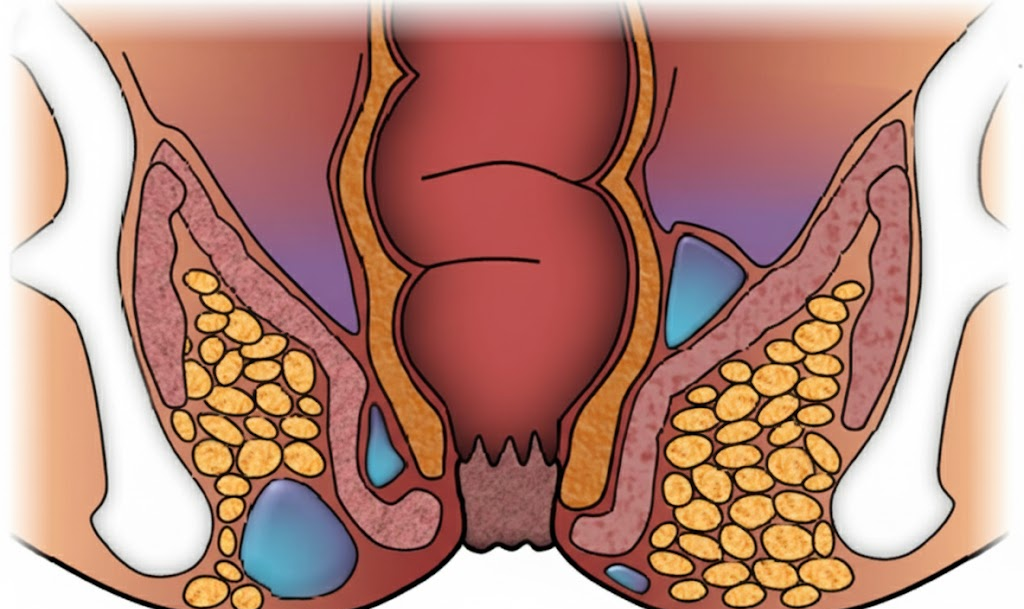
  • Perianal abscess – A pus-filled infection near the anus that causes severe constant pain, swelling, fever, and discomfort.
  • Hemorrhoids (piles) – Swollen veins in the anal canal, which may cause pain, itching, or bleeding.
  • Fistula in ano – A small abnormal tunnel formed after an untreated abscess; leads to pain and sometimes discharge.
  • Constipation or straining while passing stools
  • Infections or injury to the anal area
  • Inflammatory bowel diseases such as Crohn’s disease

What is the treatment for pain around the anus?

Treatment depends on the cause:

Condition

Treatment Options

Anal fissure

Stool softeners, topical creams, sitz bath, Botox injection or surgery (lateral sphincterotomy)

Perianal abscess

Urgent surgical drainage is required

Fistula in ano

Surgery (Fistulectomy, LIFT, Laser treatment)

Hemorrhoids

Lifestyle modification, medication, banding or surgical removal

Infections

Antibiotics and drainage if required

What is the diet for pain around anus?:

✔ High-fibre diet
✔ Drinking plenty of water
✔ Sitz bath (warm water tub soak)
✔ Avoiding constipation and straining

When should I see a doctor?

Seek medical attention immediately if:

  • Pain is severe or persistent
  • Fever or swelling is present
  • You see pus or foul-smelling discharge
  • Pain worsens during bowel movements
  • You have diabetes or are elderly (higher risk of complications)

Frequently Asked Questions (FAQs)

Is pain around the anus always due to piles?

No, it could also be a fissure, abscess, or infection. A proper diagnosis is essential.

Can I treat anal pain at home?

Mild fissures may respond to home care, but abscesses require urgent surgical drainage.

Does perianal abscess heal on its own?

No. It must be drained; otherwise, it could lead to sepsis or fistula.

Can anal fissures be cured without surgery?

Some heal with medicines and dietary changes, but chronic fissures may need surgery.