
Irritable Bowel Syndrome (IBS) is a functional gastrointestinal disorder that affects the large intestine (colon). It causes a group of symptoms like abdominal pain, bloating, and changes in bowel habits — either diarrhea, constipation, or both — without any structural or biochemical abnormality in the intestines.
Symptoms of IBS vary from person to person but commonly include:
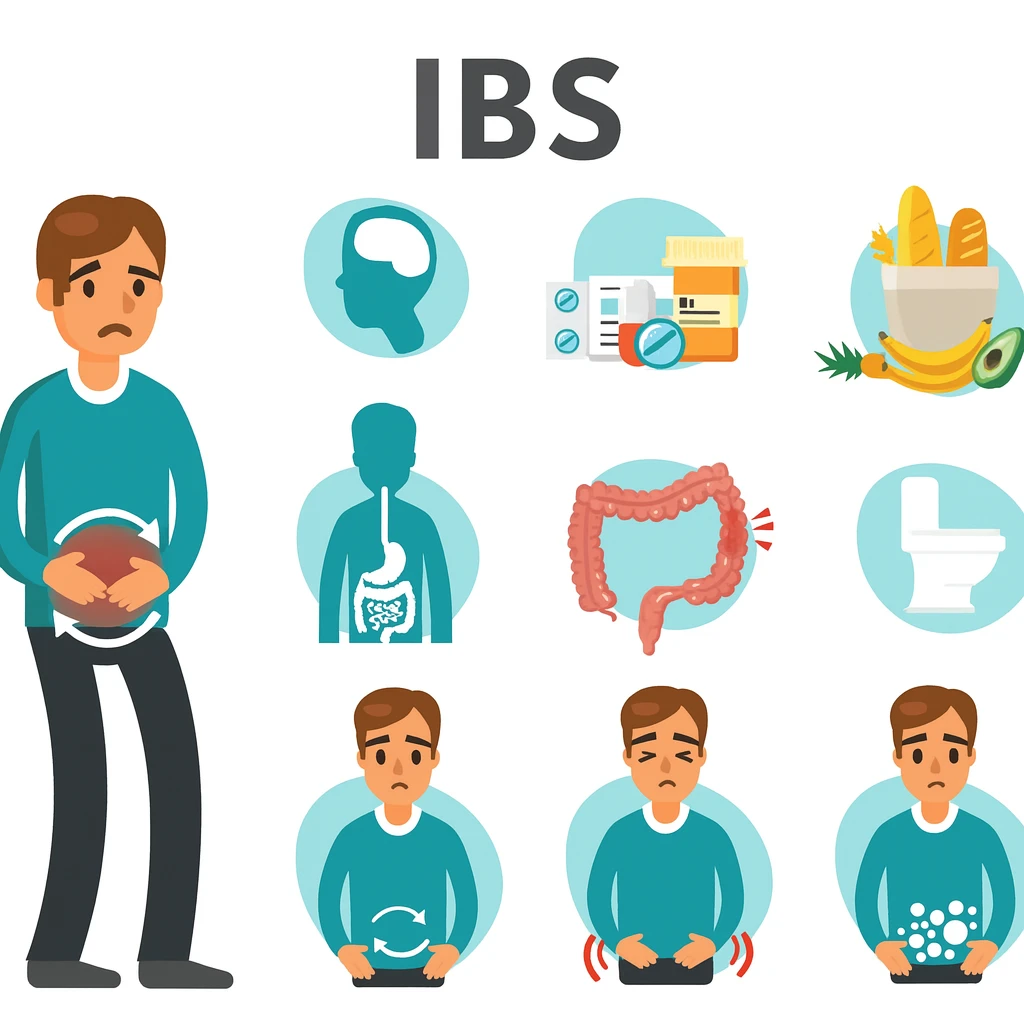
The exact cause of IBS is not fully understood, but several factors can contribute, such as:
IBS is more common in:
IBS is usually diagnosed based on symptoms and by ruling out other conditions. Doctors may recommend:
Treatment focuses on relieving symptoms and improving quality of life. Options include:
Yes. Emotional stress doesn’t cause IBS, but it can trigger or aggravate symptoms. Managing stress through relaxation techniques, adequate sleep, and regular physical activity is essential for long-term relief.
IBS is a chronic condition, but symptoms can be effectively managed with proper diet, lifestyle changes, and medical guidance. Many people experience periods of remission where symptoms are minimal or absent.
You should consult a doctor if you experience:
Early evaluation helps rule out other serious digestive conditions and ensures the right treatment plan.
IBS is not life-threatening and doesn’t cause permanent damage to the intestines. However, it can significantly affect daily life if not managed properly.
Yes. IBS is often overdiagnosed or self diagnosed by the patient and by effectively treating with proper diet, medications, and lifestyle changes many patients experience long symptom-free periods and eventually are symptom free.
A diet based on organic food( pesticide free), with lots of vegetables, fresh fruits and millets help maintain a good gut health. Ingesting fermented rice with water every day morning on an empty stomach helps regain good gut health , improving the symptoms in IBS patients. Stopping processed food,packaged food, maida , gluten and milk products also helps patients
No. IBD refers to inflammatory bowel disease like ulcerative colitis or crohn’s disease. Here, there is inflammation of the small/ large intestine seen by ileocolonoscopy and proved by biopsies. But, in IBS, no inflammation is seen.
Our expert team provides world-class treatment for IBS and other gastrointestinal diseases using advanced techniques and compassionate care.
📞 Book your appointment today to consult our specialist gastro for timely diagnosis and treatment.